




Nozzle Type Selection Guide for Fiber Laser Cutting
When it comes to fiber laser cutting, most eyes are on the laser source, beam quality, and software. But one small component often overlooked can make or break your cutting results: the nozzle.
At Laser Technologies, we’ve worked with hundreds of manufacturers—from automotive giants to precision part fabricators—and we’ve seen firsthand how nozzle type directly affects cut quality, speed, and even operating costs. In this guide, we’ll break down everything you need to know about selecting the right nozzle for your fiber laser cutting machine.
Whether you’re cutting stainless steel at high speed or intricate aluminum parts, this article will help you make the right decision.
Why Nozzle Type Matters in Fiber Laser Cutting
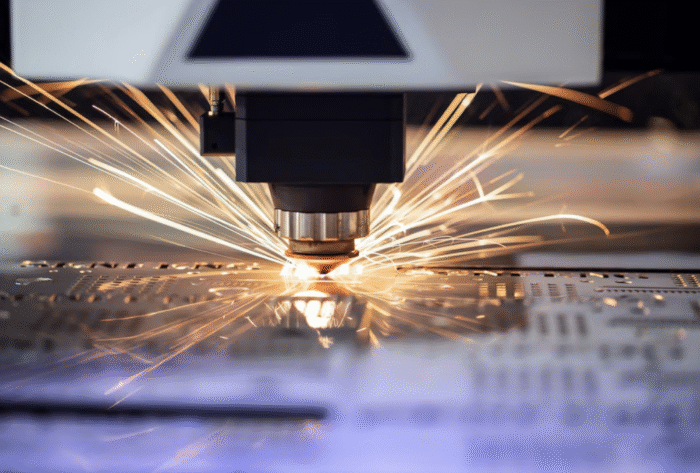
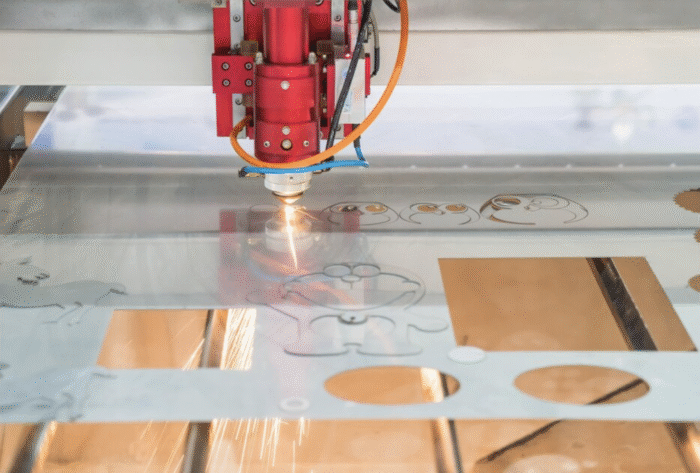
Let’s start with the basics: the nozzle directs the assist gas (like oxygen or nitrogen) to the cutting area, protecting the lens from debris and influencing the kerf (cut width), cut speed, and edge quality.
Choosing the wrong nozzle can lead to:
- Burnt edges
- Excess dross
- Inconsistent cut widths
- Lens contamination
- Unnecessary downtime
Sound familiar? Let’s fix that.
Understanding the Two Main Nozzle Types in Fiber Laser Cutting
In the world of fiber laser cutting, nozzles are crucial components that shape the quality and efficiency of the process. They control the flow of assist gas—whether it’s oxygen, nitrogen, or compressed air—directed at the cutting area. This gas not only protects the laser lens from debris but also helps control the thermal dynamics of the cut. Selecting the right nozzle type isn’t just about the material you’re cutting, it’s about optimizing performance, cut quality, and machine longevity.
Let’s break down the two main nozzle types in greater detail: the single nozzle and double nozzle.
1. Single Nozzle (Single-Layer Nozzle)
A single nozzle is the more traditional and widely used option in fiber laser cutting systems. As the name implies, it has a single concentric nozzle outlet. This nozzle delivers a continuous stream of assist gas directly to the cutting zone, and its design is relatively simple compared to the double nozzle.
Key Characteristics of Single Nozzle:
- Gas Flow Design: A single nozzle directs the gas in a straightforward manner. The assist gas is injected directly onto the cutting edge in a single flow, without any additional chambers or layers to regulate the flow.
- Applications: This type is ideal for mild steel and thicker materials where cutting speed takes precedence over edge precision. Oxygen is the most commonly used assist gas with single nozzles, as it aids in accelerating the cutting process by helping oxidize the material. This is particularly useful when cutting materials like mild steel and carbon steel.
Advantages of the Single Nozzle:
- Cost-Effective: Single nozzles are generally more affordable than their double nozzle counterparts. Their simpler design leads to lower manufacturing costs, which can be a great option for companies looking to reduce operational expenses.
- Simplicity and Durability: The straightforward design makes single nozzles less prone to mechanical failure. They are also easier to maintain, which reduces downtime in the long run.
- Efficient for Thicker Materials: A single nozzle works well for thicker materials where speed is crucial. It provides a consistent gas flow that ensures adequate cooling and supports the cutting process for heavier-duty applications.
Limitations of the Single Nozzle:
- Limited Precision: While single nozzles are ideal for cutting thicker materials, they’re not suited for high-precision cutting or fine detailed work. The design may result in slightly wider kerfs and rougher edges, especially when cutting thinner metals.
- Reduced Edge Quality: The uniform gas flow sometimes doesn’t provide the fine focus required for cleaner, smoother cuts, particularly on materials like stainless steel or aluminum.
2. Double Nozzle (Dual-Layer Nozzle)
The double nozzle is an advanced nozzle design that offers greater precision and cleaner cuts. This nozzle type incorporates two concentric tips: the inner tip and the outer tip, which creates a chamber between the two tips. This design facilitates better control over the assist gas flow and reduces turbulence.
Key Characteristics of Double Nozzle:
- Dual-Gas Flow Path: The double nozzle utilizes a unique feature—gas can flow through both the inner nozzle and the outer nozzle, with the outer nozzle directing a protective gas flow and the inner nozzle delivering the high-pressure assist gas to the cutting edge. The gap between the nozzles helps create a more controlled and stable flow of gas, reducing distortion and improving cut precision.
- Precision and Cleanliness: The double nozzle design is specifically created to accommodate high-precision applications. It’s particularly effective when cutting thinner sheets of metal like stainless steel, aluminum, and highly reflective materials such as brass or copper.
- Assist Gas Options: For double nozzles, nitrogen is usually the preferred gas for cutting. Nitrogen minimizes oxidation, ensuring clean, burr-free edges, which is essential in industries that demand a higher level of aesthetic or functional quality.
Advantages of the Double Nozzle:
- Cleaner Cuts and Higher Precision: One of the most significant benefits of the double nozzle is its ability to provide cleaner edges and finer tolerances. The optimized gas flow minimizes the chances of oxidation, offering a mirror finish that is crucial in industries like aerospace and electronics, where surface quality matters.
- Better for Thin Materials: The double nozzle is a go-to choice for high-precision cutting in thin materials (less than 6mm), where fine edges and minimal kerf are needed. The more controlled gas flow provides better cooling, ensuring that heat-affected zones are minimized.
- Faster Cutting Speeds with Less Dross: The dual-layer system ensures the cutting edge is consistently cooled and shielded, preventing unnecessary oxidation. This leads to faster cutting speeds and less dross formation, saving both time and material.
Limitations of the Double Nozzle:
- Higher Cost: Double nozzles tend to be more expensive than single nozzles due to their complex design and additional manufacturing processes. However, the investment may pay off in the long term for businesses that need high-quality cutting results.
- Sensitivity to Alignment Issues: Given their more complex construction, double nozzles require precise alignment to avoid any misfires or poor cuts. Small misalignments can cause inconsistencies in the gas flow, leading to rough edges and reduced cutting quality.
How to Choose Between Single and Double Nozzles
When selecting between a single nozzle and a double nozzle, consider the following key factors to ensure that you’re maximizing your laser cutting efficiency:
- Material Type: Use single nozzles for mild steel and thicker materials, while double nozzles are ideal for aluminum, stainless steel, and other reflective metals.
- Cutting Precision: If you need precision, such as cutting thin parts or intricate shapes, the double nozzle will provide a more consistent and cleaner cut. For general-purpose, fast cutting, a single nozzle is sufficient.
- Production Speed: If speed is critical to your operations, single nozzles may give you the throughput you need. However, if your business values edge quality and minimal post-processing, double nozzles are worth considering.
- Assist Gas Type: Choose single nozzles for oxygen (which accelerates the cut) and double nozzles for nitrogen (which minimizes oxidation and keeps edges clean).
Conclusion
The nozzle selection for your fiber laser cutting machine is more than just a matter of convenience—it directly affects the quality, speed, and overall efficiency of your production line. Whether you choose a single nozzle for quick cuts in thicker materials or a double nozzle for precision and cleaner edges, understanding these two options will help you make an informed decision that aligns with your business needs.
At Laser Technologies, we offer a range of nozzles that are compatible with our fiber laser cutting machines. Need help choosing the right one? Our expert team is here to guide you through the decision-making process, ensuring that you optimize every aspect of your cutting process.